
Can Your Antique Dishes Be Dangerous?
 December 30, 2025 2:02 pm
The Hidden Risk of Lead in Antique & Imported Tableware
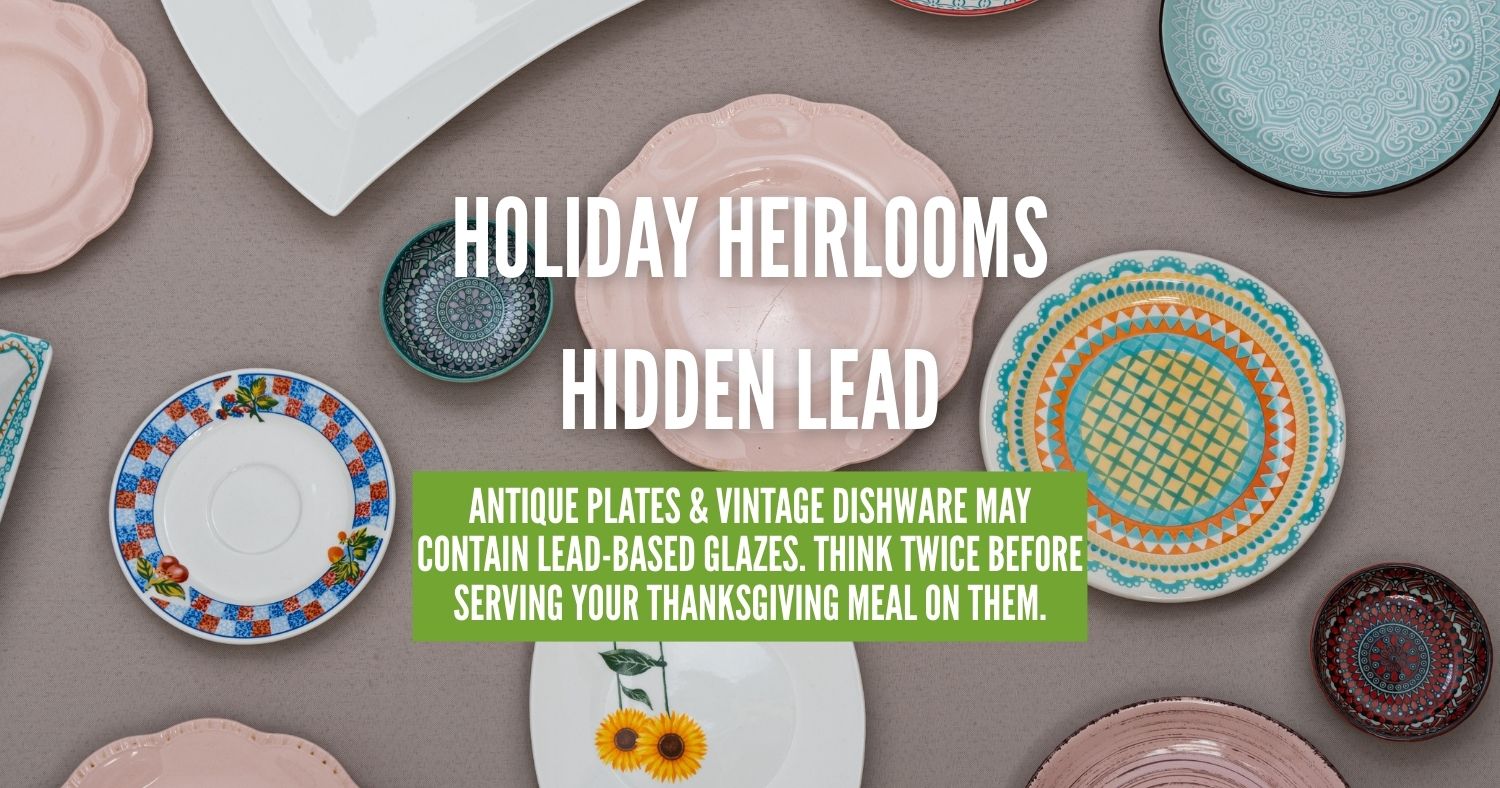
Those beautiful vintage dishes handed down from generation to generation may look stunning on the holiday table — but they may also be hiding something dangerous: lead.
Many antique and imported dishware pieces were made with lead-based glazes, which can leach lead into food and drinks, especially when heated or used with acidic foods like vinegar, tomatoes, or citrus.
At Lew Environmental, we believe that protecting your family goes beyond visible hazards — and that includes what you serve your meals on.
Why Lead Is Still a Risk in Dishware
Lead glazes were widely used before U.S. regulations began limiting lead content in ceramics in the 1970s. However, many older or imported dishes still in use today were never tested or regulated. And unlike paint, lead in ceramics can’t always be seen — it doesn’t need to be chipping or flaking to be dangerous.
What to Know Before You Use That Family China
- Pre-1970s dishware often contains high levels of lead
- Bright, colorful glazes (especially red, orange, or yellow) are higher risk
- Cracked or worn surfaces are more likely to leach lead
- Lead can transfer into food even if there’s no visible damage
- Acidic or hot foods speed up the leaching process
What You Can Do
- Use a lead swab test on older dishes — available at most hardware stores
- Avoid serving food on any dish you’re unsure about
- Don’t microwave antique or imported ceramics
- Keep high-risk dishes for display only
- Choose lead-free, food-safe dishes for everyday use — especially for children
Have Questions About Lead in Your Home?
This season, let’s make sure the only thing passed around the table is good food — not lead exposure.
📞 Contact Lew Environmental today for a lead paint or materials assessment.
🌐 Schedule a consultation and speak with a certified lead inspector.