
Local Law 55 Compliance for NYC Property Owners & Managers
Understanding Your Responsibilities Under Local Law 55
Local Law 55 of 2018, the “Asthma-Free Housing Act,” requires owners of buildings with three or more dwelling units to keep tenants’ homes free of indoor allergens, specifically mold and pests.
Your core obligations include:
- Annual Inspections: Conduct yearly inspections of all units and common areas for mold and pest conditions.
- Tenant Communication: Provide the official DOHMH fact sheet and a notice of owner responsibilities with every lease.
- Prompt Remediation: Safely clean all mold and address any underlying moisture source.
- Use of Licensed Professionals: For mold growth over 10 square feet in a single room (in buildings with 10+ units), you must hire independent, NYS-licensed assessors and remediators.
Why Property Managers Choose LEW
Same-week inspections; no hassle
Reliable scheduling and efficient on-site assessments.

Licensed, independent assessors (required by law)
Local Law 55 and NYS mold regulations mandate separation of assessment and remediation. We provide conflict-free inspections you can trust.

Clear, defensible reports
Moisture mapping, photos, and documentation formatted for HPD, tenant issues, and legal needs.

Help with HPD violations
If you’ve received a mold violation, we guide you through correction, provide required affidavits, and help you clear it fast.

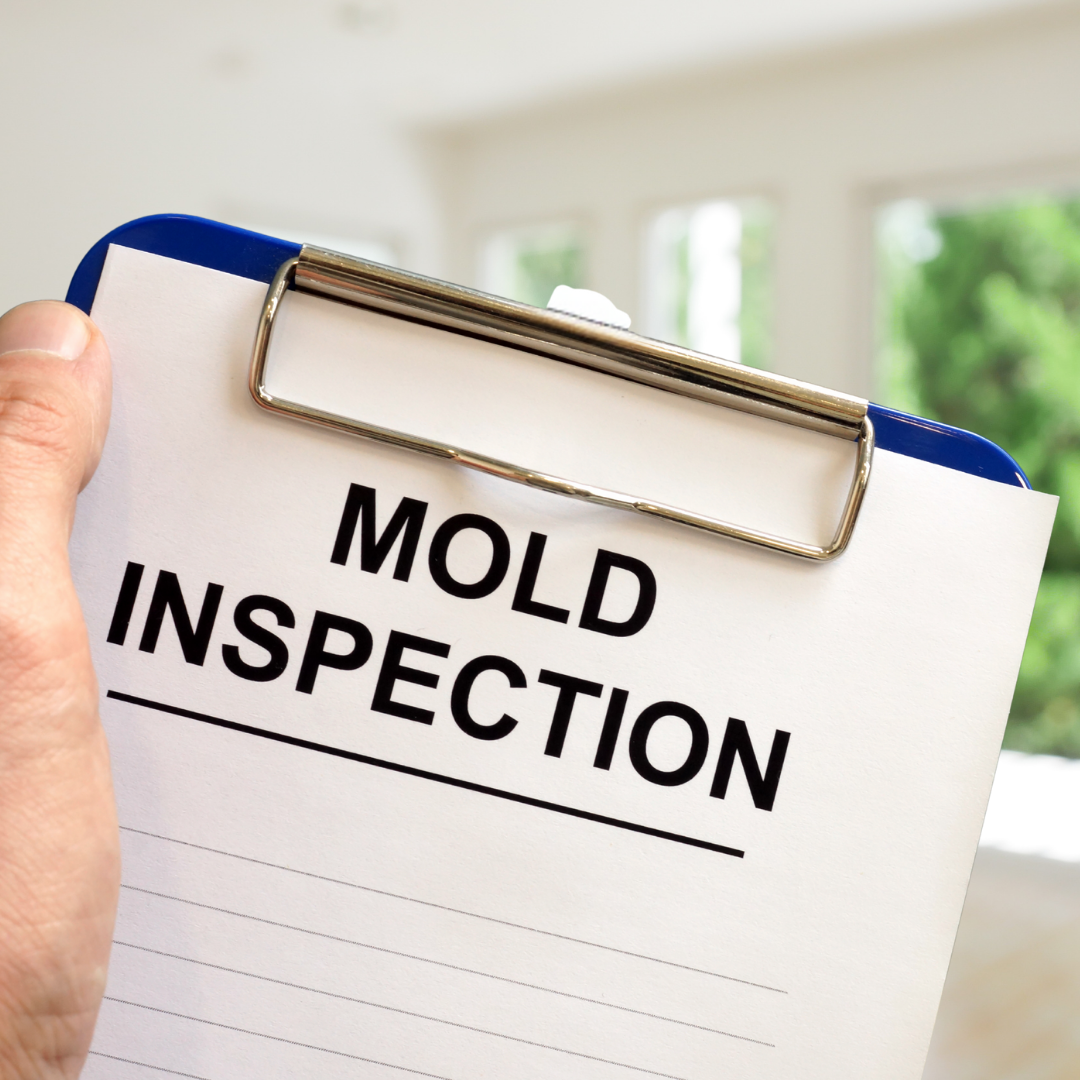
What’s Included In Your LL55 Inspection
- Full visual assessment of all required areas
- Moisture testing & infrared scanning for hidden issues
- Indoor allergen hazard check
- Identification of underlying causes (leaks, ventilation, humidity)
- A clear, actionable compliance report with next steps
Everything you need to stay compliant without the guesswork
Local Law 55 FAQ’s for Property Owners
Q: Can my building superintendent perform the annual inspection?
A: Yes, the law does permit in-house staff to conduct the initial visual inspection. However, it’s crucial to understand that if they discover mold exceeding 10 square feet, or if you lack confidence in their ability to detect hidden moisture issues, you should hire a licensed professional. Investing in a professional inspection from a firm like LEW Environmental provides your best defense against missed problems that frequently lead to costly violations.
Q: What happens if I get a mold violation from HPD?
A: First, the HPD will classify the violation (Class A, B, or C) and assign a strict correction deadline, typically between 21 and 90 days. To successfully clear the violation, you must complete three key actions: remediate all mold, fix the underlying moisture source, and file a Certificate of Correction with the HPD. This process often requires a licensed mold assessor’s affidavit. Fortunately, our team can manage this entire compliance process for you, ensuring it’s resolved efficiently and correctly.
Q: Why can’t the same company do the mold assessment and the remediation?
A: Local Law 55 specifically mandates this separation to prevent any potential conflict of interest. In other words, the assessor who inspects the completed work must have no financial stake in the remediation company. This important safeguard ensures an objective and honest evaluation, confirming that the remediation was performed to the highest standard.
Q: What qualifies as “safe work practices” for mold cleanup?
A: This includes containment, using HEPA vacuums, misting to control spores, proper disposal, and also personal protective equipment (PPE). For areas over 10 sq. ft., these practices are strictly enforced and must be carried out by a NYS-licensed remediator following a licensed assessor’s plan.